

Heat Shrink vs Cold Shrink - What's the Difference
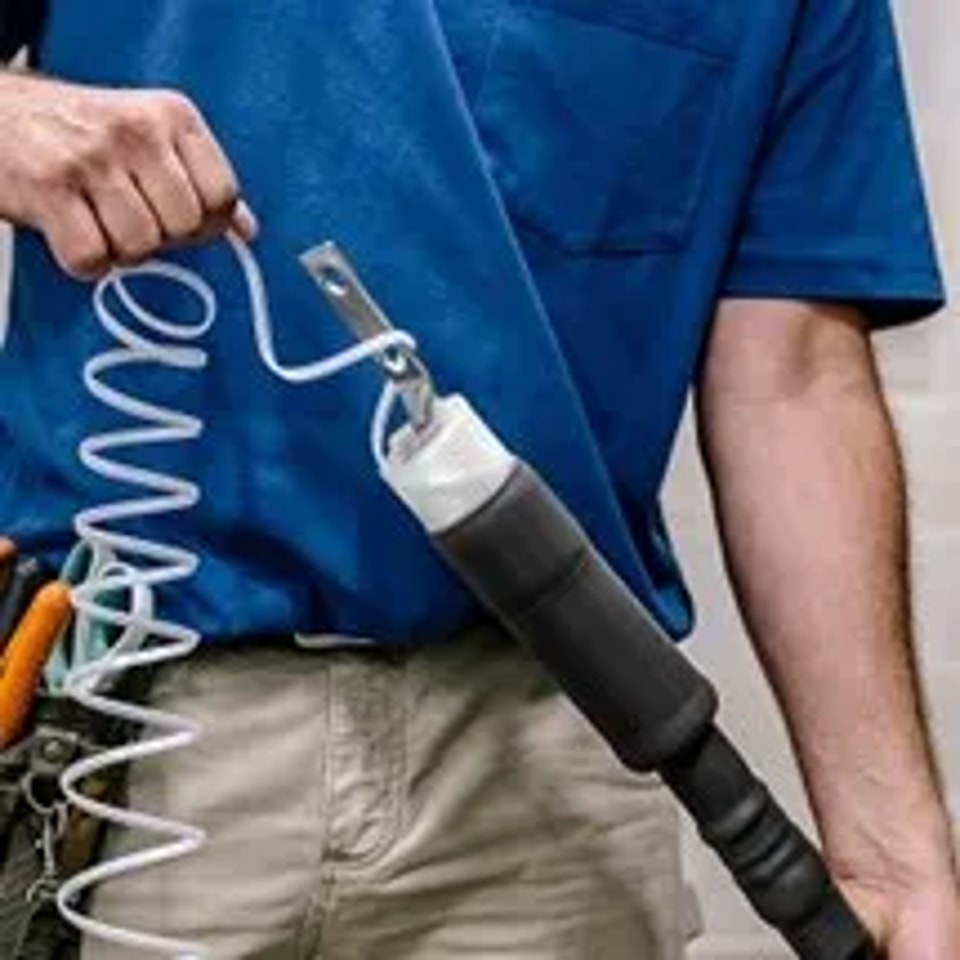
Heat shrink and cold shrink technologies are both widely used for cable insulation and environmental sealing, but they work in different ways.
Sealing Method
Heat shrink
products use external heat to shrink tightly around the cable.
Cold shrink
products use the natural elasticity of rubber materials to create sealing pressure without heat.
Cold shrink materials continue applying inward pressure after installation, creating a flexible “living seal.” Heat shrink products, by contrast, form a more rigid protective layer after cooling.
Installation Differences
Heat shrink installation usually requires a heat gun or torch and must be heated evenly to achieve proper sealing.
Cold shrink products are installed by positioning the accessory and removing the internal support core. No heat or special tools are required.
Because of this, cold shrink systems are often preferred in environments where open flames or hot work are restricted.
Material Differences
Heat shrink products are commonly made from polyolefin thermoplastic materials.
Cold shrink products are usually manufactured from silicone rubber or EPDM rubber.
These materials affect flexibility, UV resistance, elasticity, and long-term sealing performance.
Typical Applications
Heat Shrink
- ● Wire insulation
- ● Cable repair
- ● Automotive wiring
- ● Industrial cable protection
- ● Medium-voltage cable systems
- ● Outdoor installations
- ● Utility power applications
- ● Fast field installation environments
Conclusion
Both technologies provide reliable cable insulation and protection.
Heat shrink products are valued for strong mechanical protection and durability, while cold shrink products offer faster installation, flexible sealing, and installation without external heat.
The best choice depends on the installation environment, safety requirements, voltage level, and maintenance needs.