

How to Install Insulated Piercing Connectors
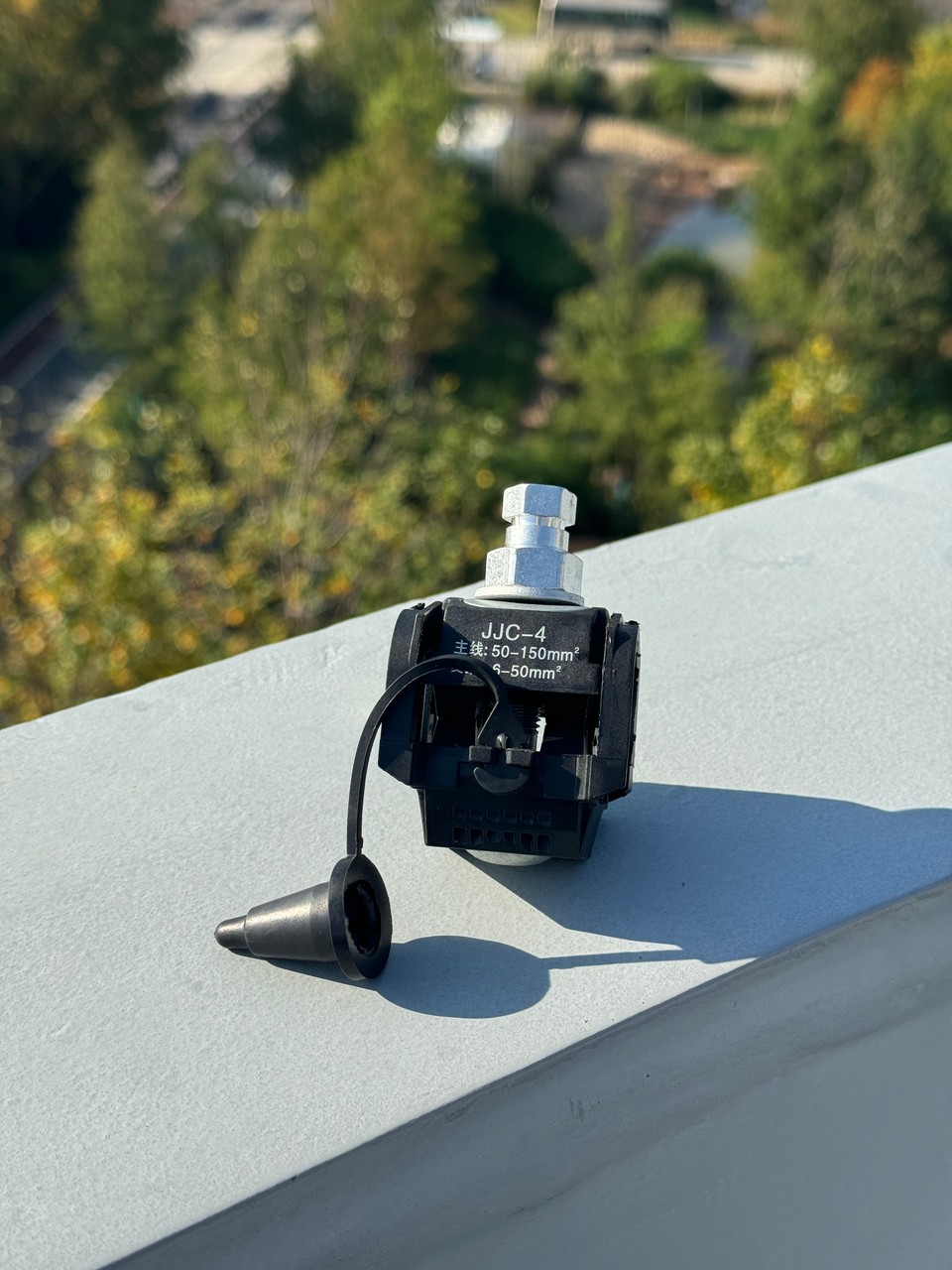
Insulated Piercing Connectors (IPCs) are commonly used in electrical installations to tap into existing insulated conductors without stripping the wire. They provide a secure, weatherproof connection and are widely used in overhead power lines, street lighting, and renewable energy systems.
Tools and Materials Required
- Insulated Piercing Connector (appropriate size for the cable)
- Cable cutter/stripper (if needed)
- Torque wrench or hex key (depending on connector type)
- Insulation-piercing connector tool (if required)
- Safety gloves & glasses
- Voltage tester (for live line applications)
Step-by-Step Installation Guide
1. Power Off (If Possible)
- For safety, de-energize the circuit before installation. If working on live lines, follow proper electrical safety protocols.
2. Select the Correct Connector
- Ensure the IPC matches the cable size and insulation type. Check manufacturer specifications for compatibility.
3. Position the Connector
- Place the connector over the main cable where the tap will be made. Align the piercing teeth with the conductor.
4. Tighten the Connector
- Use a torque wrench or hex key to tighten the connector bolts evenly.
- Follow the manufacturer’s recommended torque value to ensure a proper seal without damaging the cable.
5. Insert the Tap Cable (If Applicable)
- If the IPC has a tap port, insert the secondary cable and secure it according to the connector’s design.
6. Check the Connection
- Ensure the connector is fully seated and insulated.
- For live installations, use a voltage tester to confirm a secure connection.
Safety Tips
- Always wear insulated gloves when working near live wires.
- Avoid over-tightening, which can damage the conductor.
- Use weatherproof IPCs for outdoor applications.
By following these steps, you can ensure a reliable and safe electrical connection using Insulated Piercing Connectors.