

The Most Overlooked Interface in Power Systems — And How to Get It Right
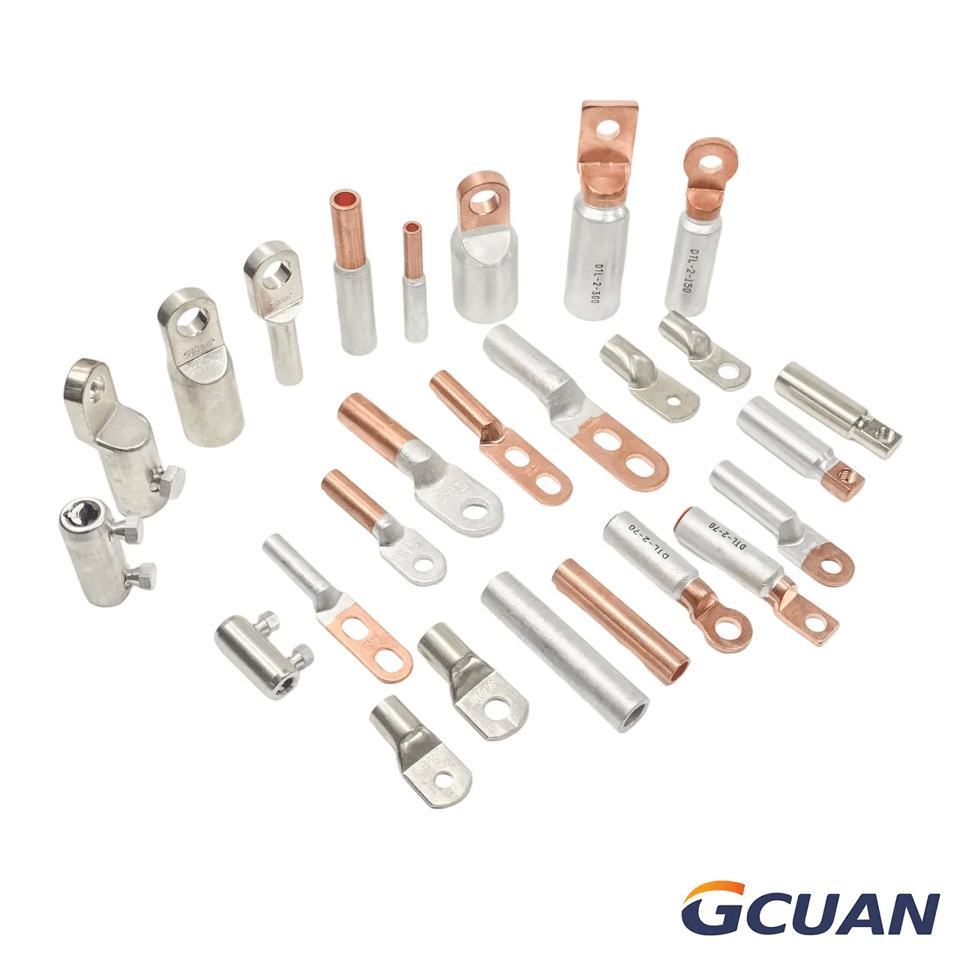
In power systems, discussions often focus on generators, transformers, and protection devices.
Yet many reliability issues originate at a much smaller interface: the cable lug.
A cable lug is where electrical power leaves the conductor and enters the system.
Every megawatt delivered passes through this single connection point.
Because it is small and looks simple, it is often treated as a standard accessory.
In reality, it is a critical engineered interface—and one that requires the right solution.
| Small interface. System-level impact.
The real problem is not the lug — it’s the interface
Cable lugs rarely fail suddenly. Most problems develop gradually and show early signs such as:
• Slight temperature rise
• Subtle discoloration
• Unusual odor without visible smoke
• Protection trips with no clear electrical fault
These symptoms indicate increased contact resistance and mechanical degradation at the interface.
| Most failures start quietly—long before alarms appear.
Why failures keep repeating
Many cable lug issues are incorrectly labeled as “electrical failures.”
In practice, they are usually caused by mechanical and installation-related factors:
• Lug material not matched to conductor or environment
• Incorrect crimping method or die selection
• Poor surface preparation
• Incorrect tightening torque
• Loosening caused by thermal cycling over time
Electric current only exposes these weaknesses—it does not create them.
| Electricity reveals weakness. It doesn’t cause it.
A solution-oriented engineering approach
Improving cable lug reliability does not require complex technology.
It requires treating the lug as part of the system design, not an afterthought.
Effective solutions focus on:
• Correct material selection based on conductor type and operating conditions
• Controlled crimping processes using appropriate tools and dies
• Defined installation torque to achieve stable contact pressure
• Interface cleanliness and surface preparation
• Periodic inspection and re-torque in critical applications
These measures significantly reduce heat buildup, resistance increase, and long-term degradation.
| Reliability is designed, not assumed.
Designing reliability at the connection point
Experienced engineers evaluate more than current ratings:
• How the lug is installed, not just its datasheet value
• Contact pressure stability, not only cable size
• Heat distribution trends, not only protection events
Reliability is built at the interface, not on drawings.
| The drawing ends where real reliability begins.
From component thinking to system thinking
Cable lugs do not generate power.
But they decide whether power is transferred efficiently—or lost as heat.
In power systems, the smallest components often determine overall reliability.
By treating cable lugs as engineered interfaces and applying a solution-driven approach, operators can prevent unplanned shutdowns, reduce fire risk, and extend asset life.
| Treat cable lugs as interfaces, not accessories.