

Why Marine Terminals Must Be Corrosion-Resistant
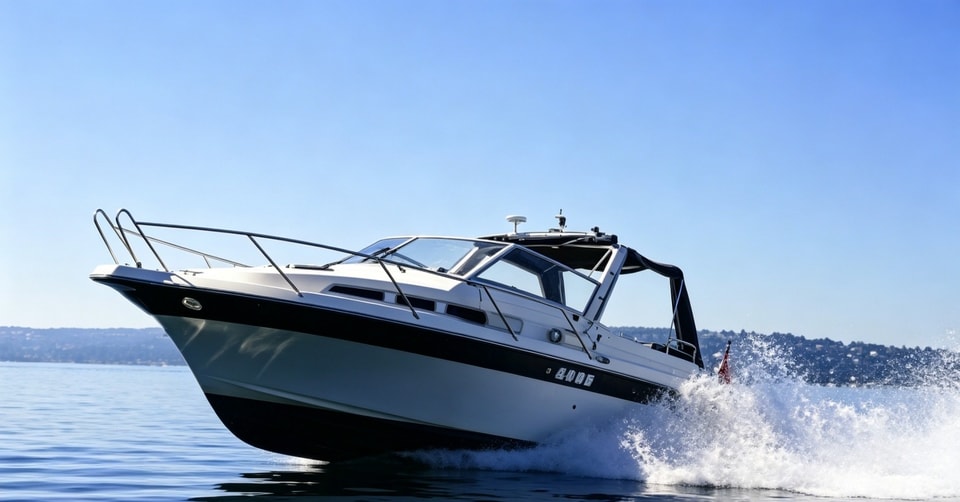
1. The Harsh Reality of the Marine Environment
Marine electrical wiring must survive in the harshest of conditions. Saltwater corrosion resistance, heat, oil, fuel and overall chemical resistance are all important considerations.
Harmful exposure to salt water can take a real toll on a boat's electrical system and all the parts that comprise it.
2. Why Standard Automotive Terminals Fail at Sea
Automotive grade (SAE) wire is typically constructed from bare copper stranded wire. Bare copper wire has no special corrosion resisting qualities. Marine grade wire (AWG) features individual tinned copper strands for maximum corrosion resistance. AWG wire is also approximately 10% larger than SAE wire.
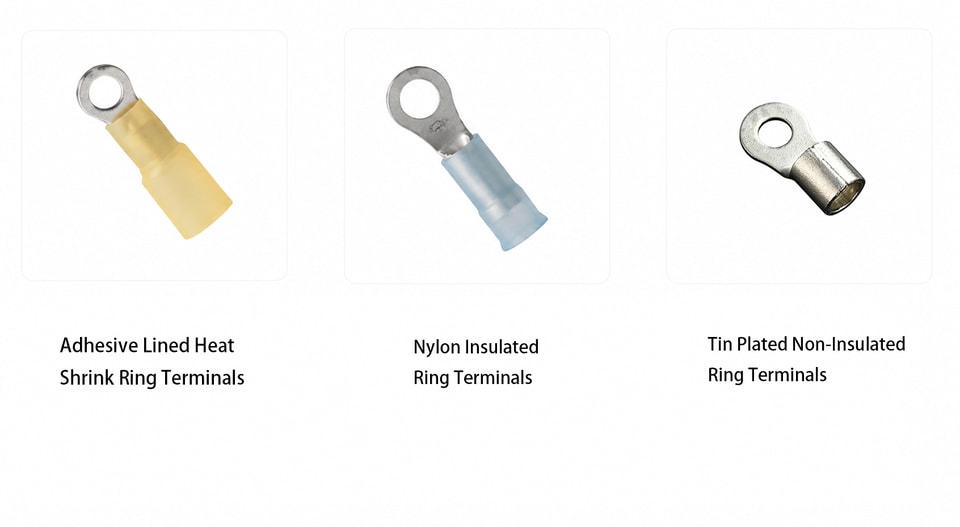
Automotive grade crimp terminals typically use PVC sleeves as insulators. Marine grade terminal fittings use high performance nylon sleeves that are more crack, puncture and corrosion resistant when compared to PVC.
3. The Role of Tin Plating in Marine Terminals
Marine terminals are made from tin plated electrolytic copper that provides greater corrosion resistance and better conductivity which means less electrical power loss.
Tinned copper is commonly used for wire terminals and connector pins because the thin tin plating acts as a sacrificial layer, preventing the underlying copper from oxidizing.
4. Why Nylon Insulation Is Required
The best quality terminals and connectors feature nylon insulation. Nylon won't split or crack like automotive grade vinyl (PVC) insulation. Nylon is easy to crimp and extremely durable, resisting water, oil, chemicals, acids and damaging ultra-violet rays.
Nylon insulated terminals deliver 15–25 years of reliable service in harsh environments despite a 20–40% higher initial cost compared to PVC alternatives.
5. Heat Shrink Terminals: The Ultimate Marine Protection
Heat shrink terminals are engineered with an internal adhesive lining. When heat is applied, the outer tubing shrinks tightly around the wire, and the adhesive melts. This process forms a complete, weatherproof seal — ideal for marine and automotive applications where connections face water, condensation, and salt spray.
Adhesive-lined heat shrink material, when properly crimped and shrunk, improves corrosion resistance by providing a durable seal, resistant to water, salt, steam and other contaminants.
Heat shrink terminals provide the most strain relief of all alternatives. Many heat shrink terminals also come with an additional adhesive lining (dual wall) for further durability and protection.
6. Marine vs. Standard Automotive Terminals
Parameter | Standard Automotive Terminal | Marine-Grade Terminal |
Conductor Material | Bare copper (SAE) — no corrosion resistance | Tinned copper (AWG) — sacrificial tin layer |
Insulation Type | PVC — cracks under UV, salt, chemicals | Nylon — resists water, oil, acids, UV rays |
Sealing | None — open to moisture ingress | Heat shrink + adhesive liner — watertight seal |
Vibration Resistance | Basic — may loosen over time | Longer crimp barrel with flared entry — firm hold |
Service Life (harsh env.) | Short — rapid degradation in saltwater | 15–25 years in marine / coastal environments |